
 15 Sep 2026
 PTSD and Emotional Intimacy: Why Trauma Can Make Closeness Difficult
BY: Dr. Laura Louis
Blog
Comments: No Comments
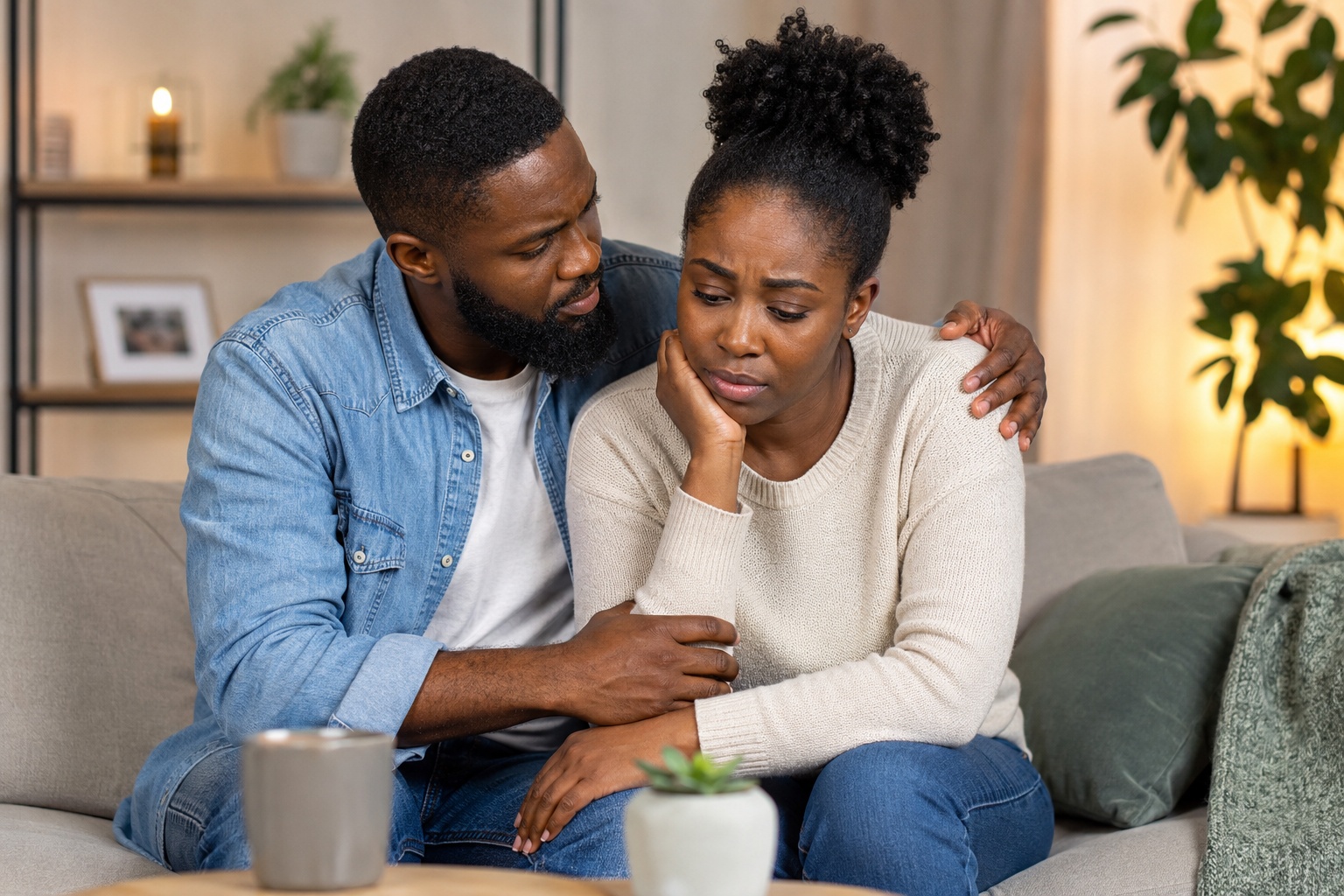
Trauma can change the way a person experiences safety, trust, communication, and connection. For couples, these changes may become especially noticeable when one or both partners are trying to create emotional closeness.
A person with PTSD may want connection while also feeling overwhelmed by vulnerability. They may withdraw, become guarded, or struggle to talk about their feelings. Their partner may interpret that behavior as rejection, creating frustration and emotional distance.
Understanding the relationship between PTSD and emotional intimacy can help couples look beyond individual reactions and recognize the impact trauma can have on relationship patterns. With greater awareness, couples can begin developing healthier communication, boundaries, and ways of responding to one another.
At Atlanta Couple Therapy, our licensed therapists provide a non-judgmental environment where couples can discuss relationship concerns and explore healthier ways of relating.
How PTSD Can Affect Emotional Intimacy
PTSD can develop after exposure to a traumatic event. Symptoms may include intrusive memories, avoidance, emotional numbness, heightened alertness, sleep difficulties, and changes in mood or thinking.
According to the National Center for PTSD, about 6% of people in the United States experience PTSD at some point in their lives, while about 5% of U.S. adults experience it in a given year. Women have a higher estimated lifetime prevalence than men, at about 8% compared with 4%.
These numbers provide context, but they do not predict how PTSD will affect an individual relationship.
Why Closeness May Feel Difficult
PTSD and emotional intimacy can become complicated when closeness triggers feelings of vulnerability or a need for self-protection. A partner may care deeply about the relationship but still find emotional conversations difficult.
Some people may experience:
- Emotional withdrawal or shutting down
- Difficulty expressing vulnerable feelings
- Irritability during conflict
- Avoidance of emotionally difficult conversations
- Difficulty trusting reassurance
- Reduced interest in affection or intimacy
- Feeling disconnected despite wanting closeness
These behaviors can be confusing for both partners. Understanding their possible connection to trauma can reduce blame and create space for more compassionate communication.
PTSD and Relationships: Understanding the Connection
The connection between trauma and relationships is often influenced by the way trauma affects a person’s sense of safety. Experiences involving betrayal, violence, abandonment, accidents, or other traumatic events can shape expectations about trust and vulnerability.
PTSD symptoms can also interfere with daily functioning. NIMH notes that PTSD can affect work, home life, social functioning, and relationships.
For couples, these effects may appear through repeated misunderstandings rather than obvious trauma symptoms.
The Pursue-and-Withdraw Pattern
A common relationship pattern occurs when one partner seeks reassurance while the other partner withdraws. The first partner may ask more questions or seek immediate resolution. The second partner may feel pressured and pull away further.
This pattern can become self-reinforcing.
The more one person pursues connection, the more the other may retreat. The withdrawal then increases the first person’s anxiety, leading to more attempts at connection.
Recognizing this cycle can help couples focus on the pattern rather than labeling one partner as the problem.
How Trauma Can Affect Trust and Safety
Trust is an important foundation for emotional intimacy after trauma. When a person’s nervous system has learned to remain alert to danger, feeling safe with another person may take time.
Reassurance alone may not immediately change that response. Consistent experiences of respect, predictability, honesty, and appropriate boundaries can be more helpful over time.
Building Emotional Safety Together
Emotional intimacy after trauma may develop gradually through small, consistent interactions. Partners can work on creating communication habits that make difficult conversations more manageable.
Helpful practices can include:
- Asking before starting a sensitive conversation
- Listening without immediately trying to solve the problem
- Respecting clearly communicated boundaries
- Giving each partner reasonable processing time
- Avoiding threats or personal attacks during disagreements
- Returning to important conversations after taking appropriate space
The goal is not to eliminate every uncomfortable emotion. Healthy relationships still involve disagreement and vulnerability. Instead, couples can work toward responding to difficult emotions without automatically moving into blame, withdrawal, or escalation.
PTSD and Communication Problems
Communication can become more difficult when trauma symptoms affect emotional regulation. A person may have trouble explaining what they are feeling or may become overwhelmed during conflict.
The other partner may then feel ignored, rejected, or responsible for fixing the situation. These interpretations can add another layer of conflict.
Moving From Reaction to Understanding
When PTSD and emotional intimacy overlap, couples may benefit from slowing down their reactions and becoming more curious about what is happening underneath them.
For example, withdrawal does not always mean a partner has stopped caring. It may reflect emotional overload or an attempt to regain a sense of control.
Likewise, repeated requests for reassurance may reflect fear rather than an intention to pressure the other person.
Discussing these patterns during calm moments can help partners identify triggers and establish healthier ways to communicate when emotions become intense.
Can Couples Rebuild Emotional Intimacy After Trauma?
Yes. Trauma can create significant relationship challenges, but it does not automatically determine the future of a relationship.
Emotional intimacy after trauma may improve when couples address both the trauma-related experience and the interaction patterns that develop around it.
Depending on the circumstances, individual trauma treatment may be appropriate for one partner, while couples therapy can focus on communication, trust, intimacy, and recurring relationship patterns.
What Couples Counseling Can Address
Couples seeking couples counseling for trauma may discuss a range of concerns connected to their relationship. These can include:
- Communication difficulties
- Emotional disconnection
- Repeated conflict
- Trust concerns
- Changes in physical or emotional intimacy
- Stress affecting the relationship
- Patterns associated with previous experiences
Atlanta Couple Therapy uses approaches including schema therapy and cognitive behavioral therapy, along with specialized couples techniques, depending on the needs and goals of the clients. The practice describes its therapeutic style as non-judgmental and its work as focused on helping couples develop healthier patterns.
For couples looking for relationship-focused support, couples counseling and relationship therapy can provide a structured setting for exploring these concerns.
When Online Couples Therapy May Be Helpful
Access and scheduling can influence whether couples seek support. Atlanta Couple Therapy provides virtual sessions through a secure video platform, allowing couples to participate remotely.
Creating a Helpful Virtual Therapy Setting
Online couples therapy can be useful for couples who prefer remote sessions or need greater flexibility. A private, quiet environment can help both partners participate without unnecessary interruptions.
Before a session, couples may want to:
- Choose a private location
- Reduce background distractions
- Make sure both partners can participate comfortably
- Allow enough time before and after the session
- Discuss a plan for taking a brief pause if emotions become overwhelming
Virtual therapy does not remove the need for privacy or emotional safety. Those considerations remain important whether therapy occurs online or in person.
When to Consider Professional Support
Couples do not have to wait until a relationship reaches a crisis before seeking help. Professional support may be appropriate when trauma-related symptoms repeatedly interfere with communication, trust, emotional closeness, intimacy, or everyday relationship functioning.
Seeking relationship counseling can also be a proactive step when both partners recognize a recurring pattern but cannot seem to change it independently.
Choosing Trauma-Informed Support
If you are considering trauma-informed couples therapy, look for a qualified mental health professional whose training and approach fit your circumstances.
It can be helpful to ask about:
- Experience with relationship concerns
- Experience working with trauma-related symptoms
- The therapeutic approaches used
- How both partners’ perspectives are handled
- How treatment goals are established
- Whether virtual sessions are available
A good therapeutic relationship should provide an environment where both partners can speak honestly while maintaining appropriate boundaries and respect.
Ready to rebuild trust and create a safer emotional connection?
Atlanta Couple Therapy helps couples navigate trauma-related relationship challenges, improve communication, rebuild trust, and develop healthier patterns of connection through personalized couples therapy.
Supporting a Partner Without Becoming Their Therapist
Partners can provide compassion and encouragement, but they are not responsible for treating PTSD.
Understanding trauma does not mean accepting harmful behavior or ignoring personal needs. Both partners can have boundaries while still approaching one another with empathy.
Balancing Support With Boundaries
For couples navigating trauma and relationships, healthy support may involve listening, respecting boundaries, encouraging professional care, and communicating personal needs clearly.
A partner can say, “I want to understand what you are experiencing,” while also communicating what they need to feel respected and emotionally safe.
This balance can help prevent one person from becoming solely responsible for the other’s emotional well-being.
PTSD and Emotional Intimacy Statistics: What They Tell Us
Statistics can help explain why trauma-informed relationship support matters, but they should not be used to predict an individual couple’s experience.
The National Center for PTSD reports that about 6 out of every 100 people in the United States experience PTSD during their lifetime, and about 5 out of every 100 adults experience PTSD in a given year.
NIMH reports a lifetime PTSD prevalence of 6.8% based on National Comorbidity Survey Replication data and notes that PTSD symptoms can interfere with intimate relationships and other areas of daily life.
About half of U.S. adults experience at least one potentially traumatic event during their lifetime, although most people who experience trauma do not develop PTSD.
These figures highlight an important distinction: experiencing trauma and developing PTSD are not the same thing. Relationship difficulties also vary considerably between individuals.
A Path Toward Safer Connection
PTSD and emotional intimacy can be challenging because trauma may influence trust, vulnerability, communication, affection, and responses to conflict. Recognizing these effects can help couples move away from assumptions and toward greater understanding.
Emotional intimacy after trauma does not require ignoring the past. It can involve learning how to communicate more clearly, recognize emotional triggers, respect boundaries, rebuild trust, and create a greater sense of safety within the relationship.
At Atlanta Couple Therapy, our licensed therapists provide relationship-focused support in a non-judgmental setting. Treatment can be tailored to the concerns and goals each couple brings to therapy.
Ready to take the next step? Learn more about couples therapy and relationship support or schedule a consultation with our team to discuss your relationship concerns and determine whether therapy may be right for you.
Frequently Asked Questions
Yes. PTSD symptoms such as avoidance, emotional numbness, heightened alertness, and difficulty trusting can make vulnerability and closeness more challenging. The effect varies from person to person.
Yes. Trauma and relationships can intersect in several ways. Trauma-related reactions may influence communication, trust, conflict, affection, and emotional availability. However, experiencing trauma does not automatically mean a relationship will become unhealthy.
Couples therapy can provide a structured setting to work on communication, trust, conflict patterns, and emotional connection. Depending on the circumstances, individual trauma-focused treatment may also be recommended.
Yes. Atlanta Couple Therapy offers virtual therapy sessions through a secure video platform. Online sessions can allow couples to participate remotely while receiving personalized relationship support.
Consider professional support when communication problems, emotional withdrawal, trust concerns, conflict, or trauma-related symptoms repeatedly affect the relationship. Couples can seek support before problems become a crisis.
Is your relationship going through a difficult transition?
Our therapists offer faith-based and evidence-based approaches to help couples navigate every season together.