
 09 Jul 2026
 Rebuild Broken Trust in a Relationship: Your Path to Healing and Emotional Safety
BY: Dr. Laura Williams
Blog
Comments: No Comments
Here’s a sobering statistic: Research shows that 60-75% of couples stay together after infidelity but only 15.6% of those relationships thrive without professional help.
The difference? Couples who actively work to rebuild broken trust in a relationship with structured support don’t just survive betrayal—they create something stronger than what existed before.
Trust isn’t just a nice-to-have in relationships—it’s the oxygen your partnership breathes. When that trust shatters because of infidelity, dishonesty, or repeated disappointments, the pain can feel suffocating. You’re left wondering if you’ll ever feel safe again, questioning every word, analyzing every action, and lying awake at night replaying the betrayal on an endless loop.
But here’s what most people don’t realize: The couples who successfully rebuild trust don’t do it by pretending the pain never happened. They face it head-on with honesty, accountability, and consistent effort—and many discover that professional support through marriage therapy for infidelity or infidelity counseling becomes the lifeline that guides them through the darkest moments.
At Atlanta Couple Therapy, we’ve walked alongside hundreds of couples as they’ve transformed their deepest wounds into foundations for stronger, more authentic relationships through evidence-based couples counseling infidelity approaches.
Understanding Why Trust Breaks in a Relationship
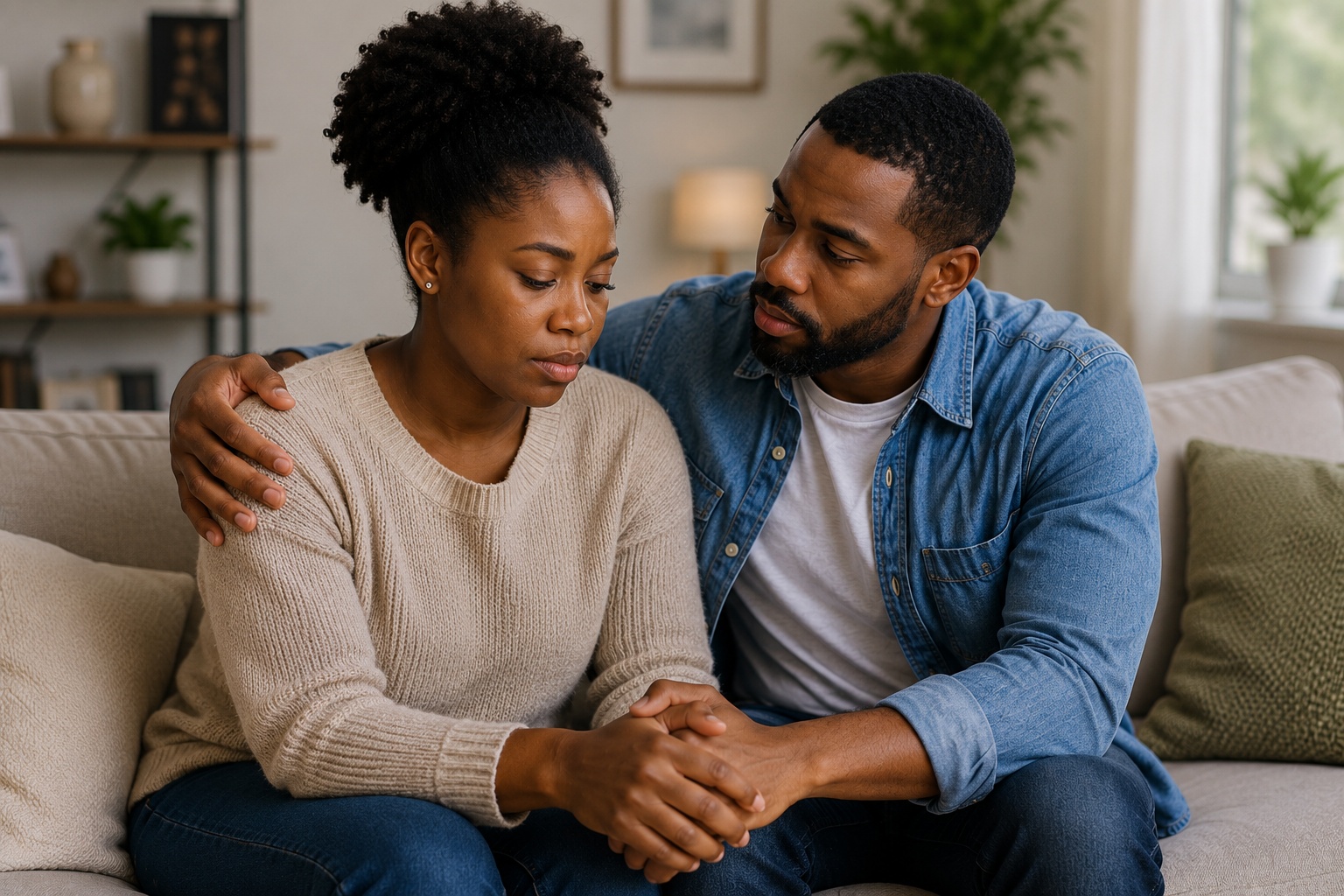
When trust explodes in your relationship, both partners experience emotional whiplash—that gut-wrenching combination of shock, grief, and fear that makes you question everything you thought you knew. The betrayed partner often describes feeling like the ground disappeared beneath their feet, while the partner who broke trust grapples with guilt that feels impossible to escape.
But here’s the reality check: Rebuilding trust after betrayal isn’t about wishing away the pain or rushing to “get over it.” It requires both partners to understand what went wrong and commit to doing the hard work of creating lasting change.
Common Causes of Broken Trust
Infidelity remains one of the most devastating trust violations, but it’s far from the only culprit. Trust erodes in relationships through patterns that often build slowly over time until one day, you wake up and realize you’re living with a stranger. Common causes include:
- Infidelity or emotional affairs (the affair that “just happened” rarely just happens)
- Repeated dishonesty or lying (even “small” lies compound into massive trust deficits)
- Broken promises and unmet commitments (saying one thing, doing another—repeatedly)
- Financial secrecy (hidden accounts, secret spending, or major financial decisions made alone)
- Emotional withdrawal or lack of communication (the slow fade that leaves partners feeling abandoned)
Here’s what the data tells us:70% of married women and 54% of married men don’t know about their partner’s affair when it’s happening. That discovery moment—when everything you believed gets questioned—triggers a trauma response that affects every aspect of your life.
Many couples struggle with how to deal with infidelity because the emotional fallout extends far beyond the affair itself. The betrayed partner often experiences:
- Anxiety and constant hypervigilance (checking phones, questioning everything)
- Profound sadness and grief (mourning the relationship you thought you had)
- Anger and frustration (that can erupt at unexpected moments)
- Self-doubt and shattered confidence (wondering what you did wrong or what’s wrong with you)
Meanwhile, the partner who was unfaithful may wrestle with:
- Crushing guilt and shame (that makes honest conversation feel impossible)
- Uncertainty about whether the relationship can be saved
- Frustration with the “trust but verify” period that follows
Working with an infidelity therapist or participating in Couples therapy after infidelity helps both partners process these complex emotions in ways that actually move you forward rather than keeping you stuck in cycles of blame and defensiveness.
The Emotional Effects of Betrayal
Research shows that betrayal triggers the same brain regions as physical pain—this isn’t “just” emotional hurt; your body experiences it as a genuine threat to your survival. The impact often affects both emotional and physical well-being in ways that surprise couples:
- Difficulty trusting again (not just your partner—trusting anyone, including yourself)
- Fear of future betrayal (waiting for the other shoe to drop)
- Increased stress and anxiety (cortisol levels that stay elevated for months)
- Emotional distance between partners (self-protection that creates more isolation)
- Reduced intimacy and communication (every conversation feels loaded with potential triggers)
Professional support through couples counseling infidelity, marriage counseling infidelity, or infidelity therapy provides the structured environment where couples can communicate about these raw emotions without the conversation exploding into accusations or shutdowns. Therapy helps partners understand each other’s experiences, rebuild emotional safety, and develop practical strategies for restoring trust that actually work in real life—not just in theory.
Steps to Rebuild Broken Trust Together
Here’s the truth bomb: Rebuilding trust doesn’t happen because you want it badly enough or because enough time passes. It happens through deliberate, consistent actions from both partners over time. By focusing on accountability, communication, and consistency, couples can create a foundation stronger than what existed before the betrayal.
1. Acknowledge the Hurt and Take Responsibility
Healing begins when the partner who caused the hurt stops minimizing, explaining away, or defending their actions and simply acknowledges: “I hurt you. I’m responsible. I’m sorry.” Not “I’m sorry you feel that way” or “I’m sorry, but…” Just genuine ownership.
The betrayed partner needs space to express their emotions without being rushed to “get over it” or told they’re “dwelling on the past. “Research shows that couples who allow the betrayed partner to express their pain fully even repeatedly recover faster than those who try to “move on” quickly.
For couples recovering from an affair, marriage counseling for infidelity or counseling for cheating creates that safe container where both individuals can be heard. An experienced therapist specializing in infidelity guides these conversations away from destructive patterns and toward genuine understanding.
2. Communicate with Honesty and Transparency
Open communication after betrayal means answering the hard questions—even when it’s uncomfortable. It means proactively sharing information rather than waiting to be caught. It means being transparent about your whereabouts, your feelings, and your struggles.
Here’s what stops most couples: They confuse honesty with cruelty. Being honest doesn’t mean sharing every intrusive thought or graphic detail. It means being truthful about what matters while working with your partner to determine what information supports healing versus what information creates additional trauma.
Many couples benefit from couples therapy infidelity or infidelity couples counseling because therapy offers practical communication strategies that feel impossible to develop when you’re drowning in pain. At Atlanta Couple Therapy, couples learn techniques that encourage active listening, empathy, and respectful conflict resolution—skills that serve them long after the initial crisis passes.
3. Rebuild Trust Through Consistent Actions
The statistic that changes everything: It takes 300-500 positive interactions to overcome one negative interaction in a relationship. That’s why grand gestures don’t rebuild trust—consistent, daily actions do.
Trust is restored through:
- Showing up when you say you will
- Following through on small commitments
- Being where you said you’d be
- Responding to texts and calls promptly
- Demonstrating honesty in everyday situations
- Respecting agreed-upon boundaries without resentment
Couples participating in couples’ infidelity therapy or marriage counseling for affair recovery discover that consistency is the strongest predictor of long-term success. Over time, dependable behavior replaces fear and uncertainty with renewed confidence—but only if that consistency never wavers.
4. Establish Healthy Boundaries
Clear boundaries aren’t about control or punishment—they’re about creating emotional safety while trust rebuilds. These boundaries might include:
- Sharing phone and email passwords (transparency, not surveillance)
- Checking in throughout the day (connection, not reporting)
- Avoiding situations that triggered the betrayal (wisdom, not restriction)
- Attending therapy consistently (commitment, not obligation)
- Being accountable for whereabouts (reassurance, not interrogation)
Whether participating in affair counseling, marriage affair counseling, or couples counseling affairs, establishing realistic boundaries supports emotional healing and helps both partners move forward with greater confidence.
The key: Both partners must view boundaries as temporary scaffolding that supports the relationship while trust rebuilds—not permanent walls that divide you.
The Role of Professional Therapy in Rebuilding Trust
Here’s what most couples discover too late: You can’t heal a relationship using the same communication patterns that contributed to its breakdown. Professional therapy provides the structure, tools, and outside perspective that transform painful experiences into opportunities for genuine growth.
1. How Marriage Therapy for Infidelity Supports Recovery
Marriage therapy for infidelity focuses on helping couples process the emotional tsunami of betrayal while identifying healthier ways to communicate and reconnect. Research shows that couples who engage in therapy within the first year after discovery have a 70% chance of staying together versus a 30% chance without professional support.
Therapy sessions encourage both partners to express their thoughts honestly, rebuild emotional safety, and establish realistic expectations for the future. Many couples find that working with an infidelity therapist helps them understand the relationship dynamics that created vulnerability to the affair—not to excuse the betrayal, but to prevent future ones.
Atlanta Couple Therapy provides evidence-based approaches designed to support couples throughout every stage of recovery, from crisis management in the immediate aftermath to long-term relationship strengthening.
2. Benefits of Couples Therapy After Infidelity
Couples therapy after infidelity creates a neutral space where both partners can discuss difficult emotions without fear of judgment or the conversation escalating into a fight. Therapists help couples:
- Improve communication patterns that actually work under stress
- Resolve conflict without destroying each other in the process
- Strengthen emotional intimacy through structured conversations
- Develop practical relationship tools you can use immediately
For those considering couples therapy for infidelity or couples counseling for cheating, professional guidance transforms what feels like an ending into an opportunity for creating the relationship you’ve always wanted but didn’t know how to build.
3. Choosing the Right Infidelity Therapist
Not all therapists are created equal when it comes to affair recovery. Selecting a therapist with specific experience in infidelity work is crucial—this isn’t the time for a generalist who “also does couples work.”
Individuals searching for an infidelity therapist near me or infidelity counseling near me should look for professionals with:
- Specialized training in affair recovery
- Experience with relationship counseling (not just individual therapy)
- Evidence-based methods like Gottman Method or Emotionally Focused Therapy
- A non-judgmental approach that holds both partners accountable
4. Therapy Helps Build Long-Term Relationship Skills
The goal of therapy extends far beyond “getting past” the affair. Couples also develop healthier habits that strengthen their relationship for decades to come:
- Active listening that makes your partner feel truly heard
- Conflict resolution that brings you closer instead of pushing you apart
- Emotional regulation that prevents reactive blow-ups
- Rebuilding mutual respect that got lost somewhere along the way
Whether couples choose infidelity counseling, counseling infidelity, marriage counseling infidelity, or infidelity marriage counseling, professional support creates a foundation for lasting trust. At Atlanta Couple Therapy, the focus is on equipping couples with practical skills that promote healthier relationships well beyond the recovery process.
Ready to stop wondering if your relationship can survive and start building something stronger?
Atlanta Couple Therapy specializes in helping couples recover from infidelity through proven therapeutic approaches.
Maintaining Trust for a Stronger Future
Rebuilding trust isn’t the finish line, it’s the starting point for creating a relationship that can withstand future challenges. Couples who continue practicing open communication and emotional support build resilience that protects their partnership for years to come.
1. Practice Patience Throughout the Healing Process
Here’s the timeline reality check: Most experts agree that healing from infidelity takes 2-5 years. Not weeks. Not months. Years. Some days will feel encouraging—you’ll laugh together, feel connected, experience hope. Other days will bring emotional setbacks that make you question whether you’re making any progress at all.
Helpful ways to practice patience include:
- Accepting that healing isn’t linear (three steps forward, two steps back is normal)
- Recognizing that setbacks are part of recovery, not evidence of failure
- Supporting each other through difficult emotions without taking them personally
- Celebrating small milestones along the way (first month without checking the phone, first genuine laugh together, first intimate moment that feels safe)
Couples participating in marriage counseling for infidelity recovery learn that setbacks aren’t failures, they’re opportunities to strengthen communication and rebuild confidence together.
2. Prioritize Honest Communication Every Day
Trust grows when honesty becomes a consistent part of daily life, not just something you practice during therapy sessions. Regular conversations about feelings, concerns, and expectations prevent misunderstandings from developing into larger relationship issues.
Healthy communication habits include:
- Scheduling regular relationship check-ins (weekly “state of the union” conversations)
- Listening without interrupting or becoming defensive (harder than it sounds)
- Expressing emotions honestly and respectfully (using “I feel” instead of “You always”)
- Addressing concerns before they become larger problems (speaking up early, not letting resentment build)
Couples who continue with infidelity counselling or infidelity couples counseling discover that maintaining healthy communication habits is essential for sustaining long-term trust and emotional connection.
3. Focus on Shared Goals and Relationship Growth
After working through betrayal, many couples choose to focus on building a healthier future rather than remaining stuck in past mistakes. Research shows that couples who create shared meaning and purpose in their relationship report higher satisfaction levels than those who simply try to “get back to normal.”
Examples of shared relationship goals include:
- Spending quality time together each week (date nights that actually happen)
- Setting healthy communication goals (no phones during dinner, daily check-ins)
- Supporting each other’s personal growth (therapy, hobbies, friendships)
- Building new positive memories together (creating a new story for your relationship)
Atlanta Couple Therapy encourages couples to create realistic goals that support long-term relationship success. Whether couples are beginning infidelity therapy or continuing couples therapy after infidelity, focusing on growth helps reinforce the progress they’ve made.
Conclusion
Recovering from broken trust is a journey that requires honesty, accountability, patience, and mutual commitment. Although healing may take time, many couples rebuild stronger and healthier relationships by addressing the underlying causes of betrayal and learning more effective ways to communicate.
You don’t have to do this alone. Professional support can make the difference between a relationship that barely survives and one that genuinely thrives.
Whether you’re exploring marriage therapy for infidelity, couples counseling infidelity, or infidelity marriage counseling, Atlanta Couple Therapy provides evidence-based guidance tailored to each couple’s unique situation.
If you’re ready to take the next step toward healing, visit our Contact Us page to learn more or make an appointment to begin your recovery journey.
Frequently Asked Questions
Yes, and the statistics back this up. Studies show that 60-75% of couples stay together after infidelity, and many report their relationship is stronger post-recovery than it was before. The key is both partners committing to honest communication, accountability, and consistent effort, often with professional therapy support.
As soon as possible. Research shows couples who engage in therapy within the first year after discovery have significantly higher success rates. Working with an infidelity therapist helps you address emotional challenges before they become long-term obstacles to recovery.
Infidelity counseling focuses specifically on healing from betrayal, while couples therapy after infidelity also addresses broader relationship patterns: communication, conflict resolution, emotional intimacy, and overall relationship health that may have contributed to vulnerability.
There’s no fixed timeline—most experts agree healing takes 2-5 years. Recovery depends on the circumstances surrounding the betrayal, the willingness of both partners to participate in healing, and the consistency of their efforts over time. Anyone promising a quick fix isn’t being honest.
Yes. Research consistently shows that couples who participate in structured therapy have significantly higher success rates than those who try to heal on their own. Marriage counseling for infidelity recovery provides practical strategies for rebuilding trust, improving communication, and creating a stronger relationship moving forward.
Is your relationship going through a difficult transition?
Our therapists offer faith-based and evidence-based approaches to help couples navigate every season together.