




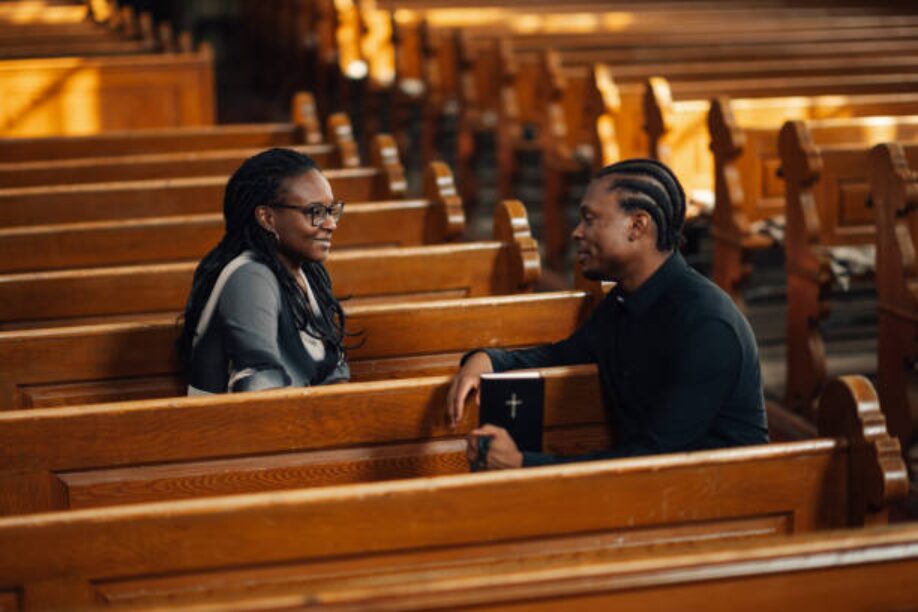
Black Marriage Starts 14 Jan 2026

BY: Dr. Laura Louis

Blog

Comments: No Comments

A Strong Black Marriage Starts Before the Wedding: What Premarital Counseling Reveals

Marriage isn’t just a decision you make on your wedding day, it’s a daily commitment shaped by how two people communicate, manage conflict, and carry their personal and shared histories into the relationship.

Many Black couples enter marriage deeply in love, hopeful, and committed yet quietly unsure about how to talk through money, family expectations, emotional needs, or conflict without things escalating. These conversations often get postponed, not because couples don’t care, but because they were never shown how to have them safely.

Premarital counseling creates intentional space for those conversations before they become long-term stress points. For couples in Atlanta, especially African American couples, this support can be a powerful way to enter marriage with clarity, confidence, and a shared understanding of what you’re building together.

Why Premarital Counseling Matters

Premarital counseling is often misunderstood as something couples only need if there’s a problem. In reality, many strong relationships use counseling as a preventative and proactive tool — a way to slow down and prepare intentionally for marriage.

Through premarital counseling, couples can:

  • Learn how to communicate without defensiveness
  • Address difficult topics before resentment forms
  • Understand expectations around finances, family, and roles
  • Strengthen emotional trust and intimacy

These are conversations that don’t always happen naturally in everyday life, yet they profoundly shape the health of a marriage long after the wedding.

Couples who participate in premarital counseling in Atlanta often report feeling more prepared, aligned, and emotionally connected as they move toward marriage.

What Premarital Counseling Reveals About Your Relationship

Premarital counseling provides a structured, supportive environment to explore important topics that can otherwise remain unspoken. While every relationship is unique, several themes frequently emerge.

Communication Patterns

Many couples discover that they communicate very differently. One partner may avoid conflict, while the other prefers to address issues immediately. Without awareness, these differences can lead to misunderstandings and emotional disconnection.

Counseling helps couples:

  • Identify communication patterns
  • Practice reflective listening
  • Express needs clearly and respectfully

Conflict Resolution Styles

Conflict is inevitable and how it’s handled matters. Premarital counseling helps couples:

  • Recognize personal triggers
  • Learn how to de-escalate arguments
  • Develop collaborative problem-solving skills

Rather than avoiding conflict or repeating the same arguments, couples learn how to move through disagreements with intention.

Financial Beliefs and Goals

Money is one of the most common sources of stress in marriage. Premarital counseling creates space to discuss:

  • Spending and saving habits
  • Financial priorities
  • Long-term goals and expectations

Having these conversations early helps reduce future tension and supports shared decision-making.

Family Dynamics and Boundaries

For many couples, especially those searching for Black premarital counseling near them, family expectations and cultural norms play a significant role in relationship dynamics.

Counseling helps couples explore:

  • Influences of extended family
  • Intergenerational patterns
  • Healthy boundaries and mutual respect

Understanding these dynamics early can prevent future conflict and confusion.

Family Dynamics and Boundaries

For many couples, especially those searching for black premarital counseling near me, family expectations and cultural norms play a significant role. Counseling reveals:

  • Influences of extended family
  • Intergenerational patterns
  • Personal boundaries and how to honor them

Understanding these aspects early helps partners navigate family relationships with clarity and respect.

Premarital Counseling Insights Specific to African American Couples

While the foundations of healthy relationships are universal, cultural context matters. For many African American couples, premarital counseling also touches on identity, community expectations, and shared history.

Cultural Identity and Shared Values

Counseling can help couples:

  • Acknowledge cultural values each partner brings
  • Discuss how identity shapes expectations
  • Intentionally integrate traditions into their relationship

Community Expectations and Pressure

African American couples may experience societal or familial pressure around marriage, gender roles, or success. Counseling offers a space to:

  • Separate supportive guidance from external pressure
  • Define what partnership looks like for your relationship
  • Balance individual needs with shared cultural identity

Generational and Historical Themes

Family history and collective experiences often influence how couples view commitment, conflict, and resilience. With skilled guidance, couples can:

  • Recognize generational patterns
  • Understand how past experiences shape present behavior
  • Build resilience together rather than carrying patterns forward unconsciously

What to Expect in Premarital Counseling Sessions

If you’re exploring premarital counseling in Atlanta, it helps to know what the process typically looks like.

Intake and Assessment

Early sessions focus on understanding your relationship history, strengths, and goals. Couples often discuss:

  • Why they’re seeking counseling
  • What’s working well
  • Areas where they want clarity or growth

Topic-Focused Conversations

Sessions may focus on areas such as:

  • Communication and listening styles
  • Conflict resolution
  • Finances and planning
  • Emotional and physical intimacy
  • Family roles and boundaries
  • Future goals around children, careers, and lifestyle

Skill Practice and Reflection

Premarital counseling isn’t just about talking, it’s about building skills. Couples practice tools such as:

  • Reflective listening
  • Collaborative problem-solving
  • Goal-setting and check-ins

Many counselors also encourage reflection or conversation between sessions so insights translate into real-life change.

Topic‑Focused Discussions

Each session typically focuses on a specific area:

Topic Area What You’ll Discuss Why It Matters
Communication Listening styles, speaking openly Builds healthy dialogue
Conflict Triggers, resolution patterns Reduces destructive disputes
Finances Budgets, financial goals Prevents money‑related stress
Intimacy Emotional and physical needs Supports connection
Family Roles, boundaries Aligns expectations
Future Planning Children, careers, lifestyle Ensures alignment

Skill Practice

Counseling isn’t just talking you’ll practice skills such as:

  • Reflective listening
  • Problem‑solving techniques
  • Setting shared goals

These practices become tools you can use long after the counseling ends.

Homework and Reflection

Many counselors assign “homework” between sessions activities or conversations to help you apply new insights and skills.

Common Misconceptions About Premarital Counseling

“Premarital counseling is only for couples in crisis.”
In reality, many couples seek counseling precisely because they aren’t in crisis and want to protect their relationship.

“We communicate well, so we don’t need counseling.”
Even strong communicators benefit from uncovering blind spots and strengthening emotional understanding.

“Counseling tells us what to do.”
Counseling isn’t about giving instructions , it’s about empowering couples to make informed decisions together.

“Premarital counseling is expensive and time-consuming.”
While there is an investment of time and resources, many couples find the clarity and skills gained far outweigh the cost.

How Atlanta Couples Can Access Support

If you’re in the Atlanta area and curious about counseling, there are accessible options focused on strengthening relationships before marriage. Atlanta Couple Therapy provides tailored support for couples navigating important transitional phases. You can learn more about our approach and services by visiting our premarital counseling services page.

In addition to dedicated sessions, we support couples with tools and resources to help solidify communication, handle conflict, and make intentional plans for the future. Whether you’re just engaged or have been together for years, premarital counseling can deepen your connection and prepare you for the shared journey ahead.

Questions Couples Often Bring to Counseling

Here are some common questions couples explore in early premarital sessions:

  • How do we handle conflict in a way that feels respectful and productive?
  • What are our financial expectations and goals?
  • How will we balance time with family and time as a couple?
  • What role will cultural identity and background play in our partnership?
  • How can we support each other’s emotional needs?

These questions set the stage for meaningful dialogue and proactive planning.

Signs You Might Benefit From Premarital Counseling

Premarital counseling may be helpful if you notice:

  • Recurring disagreements that feel unresolved
  • Avoidance of important conversations
  • Different expectations about finances, family, or roles
  • Communication that leaves one or both partners feeling unheard
  • A desire to deepen emotional connection before marriage

Rather than waiting for challenges to escalate, counseling offers support early in the journey.

Building Lasting Habits Together

One of the most meaningful outcomes of premarital counseling is the creation of habits that support long-term connection, including:

  • Regular emotional check-ins
  • Shared decision-making
  • Respectful negotiation of differences
  • A commitment to ongoing growth

These habits form the foundation of resilience in marriage.

Conclusion

A strong Black marriage isn’t built on avoiding hard conversations; it’s built on learning how to have them with honesty, respect, and care.

Premarital counseling offers couples the opportunity to enter marriage with shared language, clearer expectations, and tools that support lasting connection. Rather than waiting for challenges to arise, many couples choose to prepare intentionally.

If you’re ready to explore premarital counseling in Atlanta and want support that honors both your relationship and your cultural context, Atlanta Couple Therapy is here to guide you through that process.

Frequently Asked Questions

Premarital counseling is a form of relationship support designed to help couples build skills and understanding before marriage. It covers communication, conflict resolution, finances, intimacy, and future planning.

The duration varies by couple and goals. Many couples complete counseling in 6–10 sessions, but this depends on individual needs and areas of focus.

No. While many couples seek counseling before engagement, any partnership committed to marriage can benefit, whether at the start of planning or earlier in the relationship.

Searching for qualified therapists who specialize in premarital work, including black premarital counseling near me, can connect you with professionals who understand your needs. 

Common topics include communication, conflict resolution, finances, family expectations, intimacy, and life goals. 

Atlanta Couples 13 Jan 2026

BY: Dr. Laura Louis

Blog

Comments: No Comments

Thinking About Couples Therapy? Here’s What Atlanta Couples Wish They Knew Before Their First Session

Most couples don’t start thinking about therapy because they’ve stopped loving each other.

They start because something feels off.

Conversations turn into arguments. Emotional distance grows. The same issues keep resurfacing, even though both partners are trying. Many couples sit with this discomfort for months or years hoping things will be resolved on their own.

When Atlanta couples finally decide to attend therapy, a common reflection emerges:
“We wish we had started sooner.”

Couples therapy isn’t about assigning blame or deciding who’s right. It’s about understanding patterns, learning how to communicate differently, and creating space for conversations that feel too difficult to navigate alone.

Why Couples in Atlanta Seek Therapy

Relationships don’t exist in vacuums. Daily stressors—work demands, parenting responsibilities, financial pressure, health concerns, and emotional fatigue can slowly erode connections.

Many couples seek couples therapy Atlanta because they’re experiencing:

  • Arguments that repeat without resolution
  • Emotional or physical distance
  • Trust concerns following dishonesty or betrayal
  • Difficulty navigating life transitions
  • Family or cultural differences
  • Communication that escalates quickly or shuts down entirely

Couples therapy is not only for relationships in crisis. Many couples come to therapy because they want to improve understanding, rebuild closeness, and develop healthier ways of relating before disconnection deepens.

What Couples Therapy Is and What It Is Not

Understanding what therapy actually involves can help reduce anxiety before the first session.

What Couples Therapy Is

Couples therapy is a form of relationship counseling that helps partners explore emotional needs, communication styles, and relational patterns in a structured, supportive environment.

Sessions often focus on:

  • Improving communication
  • Identifying emotional triggers
  • Addressing recurring conflicts
  • Strengthening emotional connection
  • Rebuilding trust

A trained therapist provides guidance without judgment, helping couples slow down conversations that usually escalate or stall.

What Couples Therapy Is Not

Couples therapy is not about determining who’s right or wrong. Therapists do not take sides or give orders. Progress depends on honesty, participation, and a willingness to reflect, not perfection.

At Atlanta Couple Therapy, the focus is on awareness, skill-building, and long-term growth rather than quick fixes.

What Atlanta Couples Wish They Knew Before Their First Session

Many couples report similar insights once therapy begins.

1. Therapy Helps Even Before Things Feel “Bad Enough”

Waiting until frustration turns into resentment can make change more difficult. Therapy can be most effective when couples seek support early before distance becomes the norm.

2. Feeling Uncomfortable at First Is Normal

It’s common to feel nervous, guarded, or unsure in early sessions. Over time, most couples find therapy becomes one of the few spaces where difficult conversations feel safer and more productive.

3. Progress Happens Outside the Therapy Room

Real change requires effort beyond scheduled sessions. Couples are often encouraged to practice new communication tools, reflect on insights, and approach conversations differently between appointments.

4. Therapy Isn’t Always Linear

Some sessions may feel emotionally intense. These moments often signal that important issues are being addressed rather than avoided. Growth rarely happens in a straight line.

A Common Hesitation Couples Don’t Say Out Loud

Many couples quietly wonder if their issues are “serious enough” for therapy.

They love each other. They’re functioning. Life isn’t falling apart, yet.

Couples therapy doesn’t require a breaking point. It can be a space to prevent one. Many couples find therapy most helpful when they come in before frustration hardens into distance.

How Couples Therapy Typically Works

Understanding the process can ease uncertainty.

Initial Sessions

Early sessions focus on understanding relationship history, individual perspectives, and current challenges. Therapists may explore communication habits, emotional responses, and recurring patterns.

Goal Setting

Couples collaborate with the therapist to define goals, such as:

  • Improving communication
  • Rebuilding trust
  • Navigating specific challenges
  • Strengthening emotional connection

Ongoing Work

Therapy involves guided conversations, reflection, and practical exercises. Evidence-based approaches support lasting change rather than surface-level solutions.

Cultural Awareness in Couples Counseling

Atlanta is home to a diverse population, and cultural background often plays a meaningful role in relationship dynamics.

African American Couples Counseling

For couples seeking African American couples counseling, cultural awareness can be essential. Family expectations, generational experiences, and societal stressors may influence how partners communicate, manage conflict, and express emotions.

Culturally responsive therapy allows couples to explore their relationship within a broader social and cultural context without minimizing lived experiences.

How to Choose the Right Couples Therapist

Searching for couples counselors near you can feel overwhelming. Choosing the right therapist involves more than convenience.

Important considerations include:

  • Professional training and licensure
  • Experience with couples-focused work
  • Communication style and therapeutic approach
  • Cultural awareness and inclusivity
  • Personal comfort during early sessions

Feeling safe and understood supports openness and long-term progress.

Common Myths About Couples Therapy

“Therapy means our relationship is failing.”
Seeking therapy often reflects commitment, not failure.

“The therapist will take sides.”
Professional therapists remain neutral and focus on understanding patterns rather than assigning blame.

“Therapy only works if we agree on everything.”
Different perspectives don’t prevent progress. Therapy can still provide clarity even when readiness levels differ.

How Long Does Couples Therapy Take?

There is no fixed timeline. Some couples attend therapy for a few months, while others engage longer depending on their goals and challenges.

Factors influencing duration include:

    • Nature of the issues
    • Consistency of sessions
    • Willingness to apply new skills
    • External stressors

Couples counseling Atlanta services generally focus on progress rather than rigid timeframes.

Emotional Experiences During Therapy

Couples therapy often brings up strong emotions as long-standing patterns are explored. This doesn’t mean therapy isn’t working.

Common experiences include:

    • Vulnerability when sharing fears or frustrations
    • Initial defensiveness during difficult conversations
    • Relief and clarity as patterns become visible
    • Increased empathy and emotional understanding
    • Renewed hope as communication improves

Over time, these experiences can strengthen connection and trust.

At Atlanta Couple Therapy, therapists focus on creating a supportive and non-judgmental environment. This safe space allows couples to engage honestly, navigate difficult emotions constructively, and gradually develop stronger emotional and relational skills.

Before and After Couples Therapy

Area Before Therapy During and After Therapy
Communication Defensive or reactive More intentional and clear
Conflict Repetitive arguments Improved resolution skills
Emotional Insight Limited awareness Greater understanding
Connection Distant or strained Rebuilding closeness
Problem Solving Avoidance or escalation Collaborative approaches

When Couples Therapy May Not Be the Right First Step

While couples therapy benefits many relationships, there are situations where other support may be needed first, including:

    • Active substance misuse
    • Domestic violence or safety concerns
    • Untreated severe mental health conditions
    • Lack of voluntary participation

A qualified therapist will assess these factors and recommend appropriate next steps to ensure emotional safety.

Readiness and Timing Matter

There’s no perfect moment to start therapy. Couples who approach therapy with openness rather than pressure often experience better outcomes.

Early sessions typically emphasize safety, understanding, and trust-building rather than immediate problem-solving. Readiness can evolve as couples become more comfortable with the process.

Conclusion

Choosing to explore couples therapy is a thoughtful step toward understanding your relationship more deeply.

Many Atlanta couples later reflect that therapy offered clarity and tools they wish they had accessed earlier not because their relationship was broken, but because they wanted it to be stronger.

If you’re considering couples therapy in Atlanta and want support that is thoughtful, culturally responsive, and focused on long-term connection, Atlanta Couple Therapy offers consultations to help you explore whether therapy is the right next step for you.
Book your consultation with Atlanta Couple Therapy today.

Frequently Asked Questions

If communication feels stuck, conflicts repeat, or emotional connection has weakened, therapy may help.

No. Couples therapy supports married, engaged, dating, and long-term partners.

Approach the session with openness and a willingness to reflect on relationship patterns.

Yes. African american couples counseling and culturally responsive approaches address these dynamics thoughtfully.

Therapy can still provide insight and clarity, even when readiness levels differ.

couples therapy atlanta 24 Dec 2025

BY: Dr. Laura Louis

Blog / Therapist

Comments: No Comments

What Black Couples Are Not Saying Out Loud and How Our Therapists Are Helping Them Heal

Relationships in the Black community often carry layers that go far beyond day-to-day disagreements. Cultural expectations, generational patterns, silent pressures and unspoken fears can deeply affect how couples connect, communicate, and resolve conflict. While many partners try to work through these struggles alone, an increasing number are seeking support from culturally aware professionals who understand their lived experiences.

Atlanta Couple Therapy works closely with partners who are searching for black couples counseling atlanta, black couples counselors near me, or couples therapy atlanta. Through trauma-informed and culturally grounded support, our therapists help couples unpack what they rarely say out loud but often feel deeply.

This article explores common issues Black couples tend to keep private, why these conversations are difficult, and how therapy helps them grow, reconnect, and heal.

Why Black Couples Often Stay Silent About Their Relationship Struggles

Silence within relationships can come from many places: fear, pride, cultural expectations, or simply not having the emotional tools to express difficult emotions. For many Black couples, these challenges are shaped by unique cultural, historical and societal factors.

1. The Pressure to Always Be Strong

Many partners grew up hearing messages about endurance, self-reliance, and not letting outsiders know about personal struggles. This mindset can be protective, but it can also silence important emotional conversations. In counseling sessions with Atlanta Couple Therapy, couples often uncover how this pressure leads to emotional distance and unresolved issues. Constantly presenting strength can make vulnerability feel unsafe, even between partners. Over time, unspoken emotions such as fear, sadness, or disappointment may surface as frustration or withdrawal. Therapy helps couples reframe strength as emotional openness rather than emotional suppression. By learning that expressing needs and feelings is not a failure, partners begin building deeper trust and more authentic connection.

2. The Fear of Reinforcing Harmful Stereotypes

Black couples frequently carry the weight of combating societal stereotypes related to love, marriage, and family. Some partners avoid discussing relationship challenges because they fear judgment or being misunderstood. A culturally sensitive therapist helps create a safe space free from stereotypes or assumptions. In therapy, couples are encouraged to speak honestly without worrying about confirming negative narratives. This freedom allows partners to explore conflict, vulnerability, and emotional needs without shame. When couples feel safe to be seen as individuals rather than representations, healing becomes possible. Therapy validates their experiences while supporting growth rooted in authenticity rather than fear of external perceptions.

3. Misconceptions About Therapy

Some individuals were taught that seeking counseling means the relationship is failing. Others believe therapy is “not for us.” However, many couples realize quickly that therapy is not about weakness; it is about building healthier patterns and deeper understanding. These misconceptions often prevent couples from seeking help early, allowing problems to intensify over time. Therapy provides education, practical tools, and emotional insight that many people were never taught growing up. As couples engage in the process, they often discover that counseling strengthens communication, emotional safety, and mutual respect. Rather than signaling the end of a relationship, therapy often marks the beginning of positive change.

4. Financial and Life Stress Intertwined With Relationship Conflict

Black couples may face disproportionate financial pressures, workplace discrimination, or community stressors that heighten conflict. When stress accumulates, communication often breaks down. Therapists help couples separate relationship issues from external pressures so they can work on both effectively. Financial strain can trigger feelings of insecurity, power imbalance, or resentment that spill into daily interactions. Therapy helps couples identify how stress impacts emotional responses and conflict patterns. By addressing these stressors collaboratively, partners learn to support one another rather than turn against each other. This approach fosters teamwork, empathy, and resilience during challenging life circumstances.

What Black Couples Are Not Saying Out Loud

While every couple is unique, certain unspoken concerns appear repeatedly in therapy sessions. Identifying these concerns is often the first step toward healing.

“I feel alone even when we’re together.”

Partners sometimes avoid admitting loneliness out of fear it will hurt the other person. Yet emotional disconnection is one of the most common issues addressed in black couples counseling atlanta.

“I’m scared to be vulnerable because I don’t want to be judged.”

Vulnerability is essential in a relationship, but many individuals fear being misunderstood or shamed. Therapy helps couples build emotional safety.

“We never learned healthy communication growing up.”

For many adults, relationship modeling at home included conflict avoidance, unresolved tension or verbal aggression. Therapy teaches new strategies that replace generational patterns.

“We’re carrying trauma we’ve never talked about.”

Personal trauma, racial trauma and generational trauma can influence a relationship in ways couples do not always recognize. Atlanta Couple Therapy helps partners explore these influences without blame.

“I don’t know how to express love the way my partner needs me to.”

Love languages, attachment styles and emotional habits shaped in childhood affect how affection is expressed. Therapy helps couples understand and respond to one another’s needs.

Black Couples Therapy


How Therapists at Atlanta Couple Therapy Help Black Couples Heal

Healing begins with understanding, and culturally informed therapists approach counseling with respect, empathy and expertise.

1. Culturally Competent Counseling

Therapists validate and honor the lived experiences of Black couples. This includes acknowledging racial identity, societal stress, cultural expectations, and historical factors that may affect communication or trust. Culturally competent counseling recognizes how racism, microaggressions, and generational trauma can influence emotional safety within a relationship. Couples are not asked to separate their cultural identity from their relational concerns. Instead, therapy integrates these experiences into the healing process, creating an environment where both partners feel understood without needing to over-explain or minimize their realities. This approach strengthens trust and allows more honest, meaningful conversations.

2. Emotion-Focused Therapy for Deeper Understanding

Emotion-Focused Therapy helps couples identify unmet needs, emotional patterns, and underlying fears that often drive conflict. Rather than reacting defensively, partners learn how to express vulnerability in a way that invites connection. This method shifts interactions from blame and frustration to empathy and responsiveness. Couples gain insight into how past experiences influence present reactions and learn how to show up for one another emotionally. Over time, this deepens understanding, improves emotional attunement, and restores a sense of safety and closeness in the relationship.

3. Strength-Based Approach Instead of Deficit-Based Thinking

Rather than focusing on what is “wrong” with the couple, Atlanta Couple Therapy emphasizes resilience, cultural strengths, and shared values. Many Black couples have developed strong coping skills through adversity, and therapy builds upon those strengths. This approach reframes challenges as opportunities for growth instead of failures. By highlighting what already works in the relationship, couples gain confidence and motivation to address difficult areas. Strength-based counseling fosters hope, empowerment, and a renewed belief in the partnership’s ability to grow and heal together.

4. Tools for Conflict Resolution

Couples learn practical tools that support healthier communication and emotional regulation, including:

  • How to de-escalate arguments

  • How to communicate without triggering defensiveness

  • How to express feelings clearly

  • How to actively listen

  • How to set boundaries

These skills help couples manage disagreements without damaging trust or emotional safety. Over time, conflict becomes less overwhelming and more productive. Partners feel better equipped to address issues as they arise, reducing resentment and strengthening mutual respect.

5. Support for External Stressors

Work stress, parenting challenges, financial pressure, and racial stress can significantly affect relationship dynamics. Therapy helps couples identify how external pressures show up emotionally and behaviorally within the relationship. By separating individual stress from relational conflict, partners can respond with compassion rather than blame. Therapists also help couples develop coping strategies, improve teamwork, and create balance between external responsibilities and emotional connection. This support allows couples to face life’s demands together without sacrificing intimacy or trust.

Common Challenges Black Couples Bring to Therapy

Below is a helpful overview of issues typically discussed in couples therapy atlanta:

Challenge How It Affects the Relationship How Therapy Helps
Communication breakdown Creates distance, misunderstandings, recurring conflict Teaches healthier communication patterns
Emotional disconnection One or both partners feel unseen or unsupported Strengthens emotional bonding and intimacy
Trust issues Leads to insecurity and resentment Helps rebuild transparency and safety
Financial conflict Heightens stress and power imbalances Encourages teamwork in financial decisions
Cultural or generational expectations Creates pressure or confusion in roles Helps couples negotiate shared values and expectations

When to Seek Support from Culturally Aware Therapists

Couples often wait until conflict becomes overwhelming before seeking help. However, therapy is just as valuable for prevention as it is for crisis. Early intervention can strengthen the relationship, prevent patterns from becoming entrenched, and create a safe environment for honest communication.

You may benefit from black couples counselors near me if:

  • Arguments Escalate Quickly: If conversations consistently turn into disagreements or emotional shutdowns, therapy helps rebuild healthy communication. Therapists teach conflict-resolution strategies, emotional regulation, and ways to express frustration without harming the relationship.
  • You Feel Emotionally Distant from Your Partner: Emotional disconnection can develop gradually and go unnoticed until it significantly impacts intimacy. Therapists help couples reconnect, improve empathy, and develop practical ways to show care and support consistently.
  • Old Wounds Keep Resurfacing: Resentment, past betrayals, or unresolved conflicts can keep resurfacing and create a cycle of tension. Counseling provides tools for addressing these wounds, rebuilding trust, and preventing past issues from controlling present interactions.
  • You Avoid Difficult Topics: Silence often leads to misinterpretation, frustration, and feelings of being misunderstood. Therapy creates a safe space for honest conversations about money, family, parenting, expectations, or personal insecurities.
  • You Want to Deepen Intimacy: Healthy intimacy requires emotional safety, vulnerability, and understanding. Couples counseling Atlanta supports couples in exploring physical, emotional, and intellectual connection in ways that strengthen long-term bonds.
  • Differences in Values or Life Goals: Couples sometimes struggle when personal values, career goals, or life plans diverge. Therapists help partners communicate these differences, find common ground, and make joint decisions that respect both perspectives.

How Atlanta Couple Therapy Supports Lasting Growth

Throughout counseling, couples learn to:

  • Build trust through consistent actions
  • Communicate needs with clarity
  • Recognize emotional triggers
  • Repair conflict quickly
  • Create shared goals for the future
  • Strengthen intimacy and respect

Atlanta Couple Therapy provides a supportive environment designed to help couples move from surviving to thriving.

Conclusion

Many Black couples carry unspoken fears, emotional wounds and unaddressed concerns that affect their relationships. While silence can feel safer, it often leads to deeper disconnection. Seeking support through black couples counseling atlanta, offers a path toward healing, clarity and renewed connection.

Atlanta Couple Therapy provides culturally informed guidance to help couples communicate better, resolve conflict and rebuild intimacy. If you are ready to strengthen your relationship, you can reach out through our Contact Us page. Getting support is not a sign of failure; it is an investment in a healthier future together.

Frequently Asked Questions


Culturally competent therapists understand the unique social, historical and emotional pressures Black couples may face. This allows therapy to be more effective and relatable.

If communication feels difficult, conflict keeps repeating or emotional distance is growing, therapy can help restore connection and improve understanding.

No. Counseling supports growth, communication, intimacy and relationship skills, even for healthy couples wanting to strengthen their foundation.

Yes. Atlanta Couple Therapy provides culturally grounded and trauma-informed support with a deep understanding of the experiences of Black couples.

Atlanta couple therapy 23 Dec 2025

BY: Dr. Laura Louis

Blog / Relationship Coach

Comments: No Comments

When Love Breaks Quietly: How Atlanta Couples Rebuild Trust Through Couples Counseling 

Most relationships don’t end with a dramatic argument or a single breaking point. They slowly unravel.

It happens in conversations you avoid because they always turn into conflict.
In the emotional distance that grows even though you live under the same roof.
In the feeling that something important is slipping away and you don’t know how to stop it.

Many couples in Atlanta continue functioning on the outside while feeling deeply disconnected behind closed doors. Careers move forward. Responsibilities are handled. But the relationship itself feels fragile, strained, or emotionally flat.

This is often the moment couples begin searching for couples counseling in Atlanta not because they want to give up, but because they want to repair what still matters.

How Trust Breaks Without Anyone Intending to Hurt the Other

Trust doesn’t only break through infidelity or major betrayals.

More often, it erodes quietly through:

  • Repeated unresolved conflict
  • Feeling unheard or dismissed over time
  • Emotional withdrawal during stress or overwhelm
  • Choosing silence to “keep the peace”

When this happens, couples don’t stop caring they stop trying to explain themselves. Conversations become tense, guarded, or nonexistent. Over time, partners protect themselves instead of turning toward one another.

This is one of the most common reasons couples seek couples therapy in Atlanta.

Why Pushing Through Stops Working

Many Atlanta couples are resilient, high-achieving, and used to handle challenges independently. But relationships don’t heal through endurance alone.

When trust weakens:

  • Small disagreements feel emotionally loaded
  • Neutral comments are interpreted as criticism
  • Partners become reactive, defensive, or withdrawn

What once felt like teamwork begins to feel lonely.

At this stage, couples often say, “We love each other, but we’re stuck.”

Couple Therapy

How Couples Counseling in Atlanta Helps Rebuild Trust

Trust is not rebuilt through promises or quick fixes. It’s rebuilt through consistent emotional safety.

In couples counseling, partners learn how to:

  • Understand the deeper causes of disconnection
  • Communicate hurt without triggering defensiveness
  • Take responsibility without blame or shame
  • Repair conflict instead of reopening old wounds
  • Rebuild emotional intimacy through intentional connection

At Atlanta Couple Therapy, many couples discover they aren’t broken they’re caught in patterns that no longer serve the relationship.

What Happens in Couples Therapy Sessions

Couples counseling is not about choosing sides or reliving arguments.

It’s a structured, supportive process designed to help both partners feel heard and understood.

Sessions often focus on:

  • Identifying recurring conflict cycles
  • Learning how to communicate without escalation
  • Creating emotional safety during difficult conversations
  • Rebuilding trust through clarity, accountability, and follow-through

Many couples are surprised by how quickly things shift once communication patterns change.

Common Trust Injuries Addressed in Couples Counseling

Trust issues don’t always look dramatic. Often, they sound like:

  • “We argue about the same things over and over.”
  • “I stopped opening up because it never goes well.”
  • “I don’t feel emotionally close anymore.”
  • “I don’t think my partner really understands me.”

Working with experienced couples counsellors near you helps slow these patterns down and create space for real repair.

Signs You May Benefit From Couples Counseling

You don’t need to be on the brink of separation to seek support.

Couples often benefit from therapy if:

  • Conversations escalate quickly or shut down
  • Emotional intimacy has faded
  • Trust feels fragile or uncertain
  • Resentment lingers beneath the surface
  • You want to prevent deeper disconnection

Early intervention makes repair more effective and less painful.

The Long-Term Benefits of Rebuilding Trust

Couples who commit to counseling often experience:

  • Deeper emotional connection
  • Greater safety being vulnerable again
  • Healthier communication during conflict
  • Increased stability and confidence in the relationship

Rebuilding trust doesn’t just repair the past it strengthens the future.

Ready to Take the Next Step?

Many couples in Atlanta choose counseling quietly not because they’ve failed, but because their relationship is worth protecting.

If you and your partner feel disconnected, uncertain, or stuck, couples counseling at Atlanta Couple Therapy can help you understand what’s happening and guide you toward meaningful repair.

Start With a Low-Pressure First Step

Our intake process is designed to help you determine whether couples counseling is the right fit for your relationship.

You don’t have to have all the answers just a willingness to explore what’s possible together.

👉 Schedule a consultation with Atlanta Couple Therapy
👉 Learn more about couples counseling in Atlanta
👉 Contact us to begin your intake process

Reaching out isn’t a weakness.
It’s an intentional step toward healing, clarity, and renewed connection.

27 Dec 2024

BY: pleasehelpme

Blog / Marriage

Comments: No Comments

Choosing the Right Path: Couples Therapy vs. Individual Therapy 

Sitting across from a therapist for the first time can feel daunting. Should you go alone, or should you and your partner attend together? This decision isn’t just about logistics – it’s about finding the right approach to address what’s truly troubling you. 

Maybe you’ve been lying awake at night, wrestling with personal anxieties that seem to spill into your relationship. Or perhaps you and your partner keep having the same argument, just with different words. Understanding whether to pursue individual therapy or couples therapy can make all the difference in your journey toward healing and growth. 

As relationship specialists at Atlanta Couple Therapy, we’ve guided countless individuals and couples through this decision. Let’s explore how each type of therapy serves different needs and how to choose the path that’s right for you. 

Understanding Individual Therapy: Your Personal Space for Growth 

Imagine having a dedicated space where you can fully explore your thoughts and feelings without judgment. In individual therapy, you work one-on-one with a therapist who helps you understand your experiences and develop tools for personal growth. 

Many of our clients find individual therapy helpful when they’re navigating life transitions, processing past experiences, or working to understand patterns in their lives. For instance, Sarah (name changed) came to us feeling overwhelmed by anxiety that affected both her work and relationships. Through individual sessions, she discovered how childhood experiences influenced her current responses to stress. Together, we developed strategies that helped her feel more confident and in control of her life. 

What makes individual therapy unique is the freedom to focus entirely on your journey. Your session time is yours alone – to explore, question, understand, and grow

First, you’ll speak with Diana, our intake coordinator. She’ll listen to your concerns and help match you with the right therapist for your needs. We’ll explain our session fees, insurance options, and appointment availability. You can choose between our welcoming Buckhead office, our convenient Midtown location, or secure virtual sessions. 

Ready to explore your options? Call us at [phone number] for a brief, informal conversation about how we can support you. Or if you prefer, send us a message through our confidential contact form, and we’ll reach out within one business day. 

Remember, simply reading this article shows you’re already taking positive steps toward growth and healing. We’re here to support you whenever you’re ready for the next step. 

Understanding Your Therapy Journey: How Different Paths Serve Different Needs 

Think of therapy as a journey toward healing and growth. Just as every journey has its purpose and destination, different types of therapy serve different needs. Let’s explore how these therapeutic journeys unfold, so you can better understand which path might be right for you. 

The Individual Therapy Journey 

In individual therapy, you have a dedicated space to explore your inner landscape with the guidance of an experienced therapist. It’s like having a skilled navigator helping you chart your emotional territory. Your therapist walks alongside you as you explore patterns in your life, process experiences, and develop new ways of understanding yourself and your relationships. 

For example, one of our clients discovered that her difficulty with workplace relationships stemmed from early family dynamics she had never fully processed. Through individual therapy, she gained insights into these patterns and developed new ways of engaging with colleagues that felt more authentic and satisfying. 

The Couples Therapy Journey 

Couples therapy creates a different kind of space – one where you and your partner work together to understand and strengthen your relationship. Your therapist serves as a skilled guide for both of you, helping you discover new ways of connecting and communicating. 

We often see couples who say they’re “speaking different languages.” In couples therapy, they learn to truly hear and understand each other. One couple came to us feeling frustrated about constant arguments over household responsibilities. Through therapy, they discovered these conflicts weren’t really about chores – they were about feeling valued and appreciated. With this understanding, they developed new ways of expressing their needs and supporting each other. 

When Both Journeys Work Together 

Sometimes, the most effective path involves both individual and couple therapy. Like building a house, you might need to strengthen both the foundation (individual growth) and the structure (relationship dynamics). We can help you determine if this combined approach would be beneficial for your situation. 

Recognizing When You’re Ready for Support

Deciding to start therapy is deeply personal, and there’s no single “right time” to begin. However, many people find themselves considering therapy when they notice certain patterns or feelings in their lives. 

Listening to Your Internal Signals 

You might notice yourself feeling stuck in certain patterns, despite your best efforts to change them. Perhaps you’re having trouble sleeping, changes in your appetite, or finding less joy in activities you usually enjoy. These experiences are your mind and body telling you that something needs attention. 

Understanding Relationship Signals 

In relationships, you might notice communication becoming more difficult, feeling emotionally distant from your partner, or seeing the same conflicts arise repeatedly without resolution. These patterns often indicate that professional support could help you and your partner find new ways of connecting. 

What Our Clients Often Share 

Many people tell us they wished they’d reached out sooner. They often say things like: 

“I kept thinking things would get better on their own.” 

“I wasn’t sure if my problems were ‘serious enough’ for therapy.” 

“I thought I should be able to figure this out by myself.” 

Let us be clear: You don’t need to be in crisis to benefit from therapy. Just like regular physical check-ups supporting your physical health, therapy can support your emotional well-being at any stage of life. 

Taking the Next Step 

If you’re reading this and recognizing some of these patterns in your own life, know that you’re not alone. Our team of experienced therapists in Atlanta specializes in creating a safe, supportive environment where you can explore these challenges and find paths toward healing. 

We’re here to help you navigate this decision. Through a brief consultation, we can help you determine which type of therapy might best serve your needs. Whether you choose individual therapy, couples therapy, or a combination of both, our goal is to support you in finding the right path for your journey of growth and healing. 

What Happens in Therapy: Understanding Your Journey

The First Steps: Beginning Your Therapeutic Journey 

Walking into therapy for the first time takes courage. Understanding what happens in those first sessions can help ease any uncertainty you might feel. Let’s explore what you can expect when you begin therapy at our Atlanta practice. 

Your First Individual Session 

Think of your first individual therapy session as a conversation where you begin to tell your story. Your therapist will create a warm, confidential space where you can share what brings you to therapy. You’ll have time to discuss your concerns, ask questions, and begin building a therapeutic relationship based on trust and understanding. 

During this 50-minute session, your therapist will: 

  • Listen carefully to understand your unique situation 
  • Ask thoughtful questions to gain deeper insight 
  • Work with you to identify initial goals for therapy 
  • Explain how therapy can help address your specific concerns 

Your First Couples Session 

A couple’s therapy session creates space for both partners to share their perspectives and begin understanding their relationship dynamics in new ways. These initial 75-minute sessions allow time for both partners to feel heard and understood. 

Your therapist will guide you through: 

  • Sharing your relationship story 
  • Identifying patterns in your communication 
  • Understanding each partner’s hopes for therapy 
  • Creating a foundation for positive change 

The Therapeutic Process: Beyond the First Session 

Therapy is a journey of growth and discovery that unfolds over time. In individual therapy, you might explore how past experiences influence your present choices, develop new coping strategies, or work through specific challenges.  

In couples therapy, you and your partner learn to: 

  • Communicate more effectively 
  • Understand each other’s emotional needs 
  • Navigate conflicts constructively 
  • Strengthen your emotional connection 
  • Practical Considerations: Making Therapy Work for You 

We understand that practical details matter when choosing therapy. Here’s what you need to know about working with our practice: 

Session Scheduling and Timing 

We offer flexible scheduling options to accommodate your life: 

  • Daytime and evening appointments 
  • Some weekend availability 
  • Virtual therapy options 
  • Regular weekly sessions or bi-weekly options 
  • Investment in Your Well-being 

We believe in being transparent about the financial aspects of therapy: 

  • Individual sessions: [cost range] 
  • Couples sessions: [cost range] 
  • Insurance options available 
  • Flexible payment plans 
  • HSA/FSA accepted 
  • Our Commitment to Your Growth 

Every person’s therapeutic journey is unique. Whether you choose individual therapy, couples therapy, or a combination of both, our experienced team is here to support your path toward healing and growth. 

We understand that reaching out for support can feel challenging. That’s why we’ve created a simple process for getting started: 

1. Contact us for an initial conversation about your needs 

2. Meet with our intake coordinator to find the right therapist match 

3. Schedule your first session at a time that works for you 

4. Begin your journey toward healing and growth 

Supporting Your Decision 

As you consider taking this step, remember that seeking support is a sign of strength, not weakness. It shows wisdom to recognize when professional guidance could help you move forward in your life or relationship. 

Ready to explore how therapy might support your journey? We’re here to answer your questions and help you get started. Contact us at [phone number] or through our secure online form to schedule a brief consultation. 

Your journey toward healing and growth begins with a single step. When you’re ready to take that step, we’re here to walk alongside you. 


blended families therapy 13 Dec 2024

BY: Dr. Laura Louis

Blog / Marriage

Comments: No Comments

Building Strong Foundations: Understanding and Strengthening Blended Families Through Therapy 

When families blend, they create something both beautiful and complex – like weaving together different colored threads to create a new tapestry. Each thread brings its own strength and character to the whole, but the process of weaving them together requires skill, patience, and understanding.  

Understanding the Blended Family Journey 

Think of creating a blended family as building a new house while everyone is already living in it. The foundation must be strong enough to support everyone’s needs, the walls need to create both shared spaces and private corners, and the roof must shelter all family members equally. This process takes time, and like any significant construction project, having an experienced guide can make all the difference. 

Let’s explore how therapy can help strengthen your blended family by understanding: 

  • How blended families develop and grow over time 
  • Why certain challenges arise and what they mean 
  • How therapy creates positive change 
  • Practical strategies for strengthening family bonds 

Understanding the Dynamics of Blended Families 

Imagine your family as an intricate dance where everyone is learning new steps while trying to maintain their balance. Each family member brings their own rhythm, expectations, and emotional needs to this dance. Understanding these dynamics helps us recognize why certain challenges arise and how to address them constructively.

The Emotional Landscape 

When families blend, everyone experiences a complex mix of emotions. A child might feel both excited about new siblings and worried about losing their parent’s attention. A stepparent might feel eager to build relationships while uncertain about their role. These emotions create what therapists call an “emotional ecosystem” where everyone’s feelings influence each other. 

Consider this example: When twelve-year-old Marcus showed resistance to his new stepmother Sarah’s attempts to help with homework, the surface issue seemed to be about homework. However, deeper examination revealed Marcus’s fear that accepting help from Sarah might feel like betraying his biological mother. Understanding this emotional layer helps families respond with empathy rather than frustration. 

The Challenge of Changing Roles 

Think of roles in a blended family like learning to play a new instrument in an existing orchestra. Everyone must adjust their playing to create harmony, but this adjustment takes time and practice. Parents often struggle with questions like: 

“How do I balance attention between my children and my stepchildren?” 

“When should I step back and let my partner take the lead with their children?” 

“How do we create new family traditions while honoring existing ones?” 

These questions reflect the complex process of role development in blended families. Through therapy, families learn to navigate these roles with greater understanding and flexibility.

How Therapy Helps: Building Understanding and Connection 

Therapy for blended families works like having an experienced guide on a challenging journey. Your therapist helps you: 

Understanding the Map 

First, we work together to understand your family’s unique landscape – the relationships, dynamics, and patterns that make up your family system. This understanding helps identify both challenges and opportunities for growth. 

Developing Navigation Skills 

Just as explorers need different tools for different terrain, families need various skills to navigate challenges. In therapy, you’ll learn: 

Communication Skills 

  • Expressing needs clearly while considering others’ feelings 
  • Listening to understand rather than to respond
  • Managing disagreements constructively 

For example, a simple disagreement about household rules might sound like this: 

Parent: “The kids never clean their rooms!” 

Stepparent: “They need stricter consequences!” 

Through therapy, this same conversation transforms into: 

Parent: “I’m feeling overwhelmed with managing the household tasks.” 

Stepparent: “Let’s work together to create a system that feels fair for everyone.” 

Building Emotional Understanding 

Therapy helps family members recognize and respond to each other’s emotional needs. Like learning to read a new language, you’ll develop skills in: 

  • Recognizing emotional cues 
  • Understanding different perspectives 
  • Responding with empathy and support 

Building Strong Foundations: The Role of Communication in Blended Families 

Communication in blended families functions like a complex transportation system, connecting different neighborhoods (family units) that have their own established patterns and customs. Just as a city’s transportation system needs careful planning and maintenance, family communication requires intentional development and ongoing care. 

Understanding Communication Patterns 

When families blend, they bring different communication styles shaped by years of experience. Consider how this plays out in daily life: One family might handle disagreements through immediate discussion, while another prefers taking time to process before talking. These differences, rather than being obstacles, become opportunities for creating new, more effective ways of connecting. 

For example, when the Anderson-Rodriguez family first blended, they discovered that Marc’s children were used to quiet, individual dinners, while Elena’s family treated dinner as a lively group discussion time. Through therapy, they learned to create a dinner routine that balanced both styles, gradually building comfort with a new shared approach. 

The Architecture of Effective Family Communication 

Think of communication as having several essential components, each serving a specific purpose in strengthening family bonds: 

Active Listening 

Active listening means more than simply hearing words – it involves understanding the emotions and needs behind them. When twelve-year-old Jamie says, “I hate these new family game nights,” she might really be expressing, “I miss having my parent’s undivided attention.” Learning to hear these deeper messages helps parents respond to the real needs being expressed. 

Creating Safe Spaces for Expression

Every family member needs opportunities to share their thoughts and feelings without fear of judgment. This might mean establishing regular family councils where everyone has a voice, or creating special one-on-one time for deeper conversations. These safe spaces allow family members to express concerns before they become larger issues. 

Navigating Conflict with Understanding 

Conflict in blended families often arises from different expectations and experiences colliding. Understanding this helps us approach disagreements as opportunities for growth rather than threats to family harmony. 

Consider this common scenario: A stepparent feels hurt when their stepchild doesn’t want to participate in family activities, while the child feels torn between loyalty to their biological parent and building new family connections. Through therapy, families learn to recognize these complex emotional dynamics and address them with empathy and patience. 

The Role of Time and Consistency 

Building strong communication patterns in blended families resembles learning a new language – it takes time, practice, and patience. Just as language learners progress through stages of comprehension and expression, family members gradually develop new ways of understanding and connecting with each other. 

Supporting Children Through Transition 

Children in blended families often face unique communication challenges. They might struggle to express complex emotions about family changes or feel caught between different family systems. Understanding these challenges helps parents create supportive environments for healthy expression. 

For instance, creating a “feelings journal” where younger children can draw or write about their emotions often helps them process complex feelings. For teenagers, having a neutral space to discuss their experiences – whether with a therapist or trusted adult – can provide essential emotional support. 

Developing Practical Communication Tools 

Through therapy, families learn specific techniques for enhancing communication: 

The Pause Practice 

When emotions run high, taking a deliberate pause before responding can prevent escalation and allow for more thoughtful communication. This might mean agreeing on a family signal for “time out” during heated discussions. 

The Reflection Method 

Before responding to what someone has said, family members practice reflecting on what they’ve heard: “What I understand you’re saying is…” This simple technique often prevents misunderstandings and shows others they’re being heard. 

Building New Family Narratives 

One of the most powerful aspects of therapy involves helping families create their own unique stories about who they are together. This narrative develops through: 

Shared Experiences 

Creating new family traditions that honor both past and present relationships. These might be as simple as Sunday morning pancakes or as elaborate as yearly family reunions. 

Celebration of Differences 

Learning to view different family backgrounds as strengths rather than obstacles. Each family member brings unique perspectives and experiences that can enrich the family as a whole. 

Moving Forward Together: Practical Strategies for Blended Family Success 

Understanding how to implement positive changes in your blended family requires recognizing that family development follows natural stages, much like the seasons of the year. Each stage brings its own challenges and opportunities for growth. Let’s explore how families can navigate these stages successfully while building stronger connections. 

The Natural Progression of Family Integration 

Family integration develops gradually, following a pattern similar to how we learn any complex skill. Think about learning to play a musical instrument: first, we learn individual notes, then simple melodies, and eventually complex harmonies. Similarly, blended families progress through stages of understanding and connection. 

The Early Stage: Setting Foundations 

During the initial period of blending families, everyone experiences a mix of excitement and uncertainty. Parents might feel eager to create immediate harmony, while children need time to adjust to new family members and routines. Understanding this natural tension helps families approach this stage with patience and realistic expectations. 

For example, when Michael and Sarah brought their families together, they initially worried when their children seemed hesitant to embrace family game nights. Through therapy, they learned that this reluctance wasn’t rejection but rather a normal part of adjustment. They modified their approach, allowing children to participate at their own comfort level while maintaining consistent, gentle invitations to join in. 

The Middle Stage: Building Connections 

As families move beyond initial adjustment, they begin developing deeper understanding of each other’s needs and patterns. This stage resembles learning to dance together – sometimes stepping on toes, but gradually finding rhythm and coordination. During this time, families often discover: 

Understanding Individual Rhythms 

Each family member processes change at their own pace. Some children might quickly embrace new siblings, while others need more time to adjust. Parents learn to recognize and respect these different timelines while maintaining consistent support for all family members. 

Creating Shared Experiences 

Positive family connections often develop through shared activities that create new memories without pressure to replicate past family patterns. These might include: 

Taking cooking classes together, where everyone learns something new simultaneously, creating an equal playing field for interaction. 

Planning family projects where each person contributes their unique skills, like designing and planting a garden together. 

The Later Stage: Deepening Understanding 

As families progress in their journey, they develop more sophisticated ways of relating to each other. This resembles how a group of musicians learns to anticipate each other’s cues and respond harmoniously. During this stage, families often experience: 

Enhanced Communication Patterns 

Family members become more adept at reading each other’s emotional cues and responding appropriately. They develop shorthand ways of expressing needs and offering support that feel natural and authentic. 

Flexible Role Development 

Rather than forcing predetermined roles, family members naturally find ways to contribute to the family’s wellbeing. A stepparent might discover they excel at helping with homework, while a stepsibling might become the family’s tech support expert. 

Supporting Ongoing Growth Through Therapy 

Think of therapy as providing a detailed map for your family’s journey. Your therapist helps you: 

Recognize Growth Patterns 

Understanding how families typically develop helps normalize challenges and celebrate progress. When families recognize that certain difficulties are common and temporary, they can approach them with more patience and confidence. 

Develop Custom Solutions 

Every family has unique needs and dynamics. Therapy helps identify specific approaches that work for your situation. For instance, a family struggling with dinner time tensions might discover that having music playing during meals helps create a more relaxed atmosphere. 

Create Sustainable Changes 

Lasting change requires understanding not just what to do differently, but why certain approaches work better than others. Therapy helps families develop this deeper understanding, leading to more sustainable positive changes. 

The Role of Ongoing Support 

Just as a garden needs regular tending, blended families benefit from ongoing attention to their relationships. This might include: 

Regular Check-ins 

Setting aside time to discuss how everyone is feeling about family life, addressing concerns before they become major issues. 

Celebration of Progress 

Acknowledging and celebrating positive changes, no matter how small, helps maintain momentum and build confidence in the family’s ability to grow together. 

Looking Ahead: The Continuing Journey 

Building a strong blended family resembles creating a beautiful mosaic – each piece contributes its own color and shape to the whole, and the process of fitting them together requires both artistry and patience. Through understanding, communication, and consistent effort, families can create something truly unique and beautiful together. 

Blended families navigate unique challenges, but they also have the potential to experience profound love, connection, and joy. At Atlanta Couple Therapy, we provide specialized counseling to help blended families address these complexities and foster a strong, supportive foundation. 

If your blended family is facing relationship struggles, professional guidance can make all the difference. Let us help you create lasting change and strengthen your family bonds. Contact Atlanta Couple Therapy today to schedule a consultation and take the first step toward a healthier, more connected future together. 


Atlanta Couple Therapy | Three (3) Compelling Reasons to Schedule Sex with your Spouse or Partner! 17 Apr 2022

BY: Dr. Laura Louis

Blog / Sex

Comments: No Comments

Three (3) Compelling Reasons to Schedule Sex with your Spouse or Partner!

Three (3) compelling reasons to schedule sex with your spouse or partner! Having sex is an opportunity for couples to increase intimacy, enhance their bond, and more importantly enjoy each other! Also, sexual intimacy is critical to a healthy marriage — it’s the glue that uniquely bonds couples.

Read More “Three (3) Compelling Reasons to Schedule Sex with your Spouse or Partner!”

Tips on How to Make your Marriage Affair-Proof: Secrecy Versus Honesty 12 Mar 2022

BY: Dr. Laura Louis

Blog / Marriage

Comments: No Comments

Tips on How to Make your Marriage Affair-Proof: Secrecy Versus Honesty

Affair-Proof marriage – How-to Tips: Secrecy vs. Honesty

Affair-Proof Marriage! Many affairs start when their partner prefers to share their problems with another person besides their spouse. The researchers from the University of Colorado Boulder’s Department of Psychology and Neuroscience found out that about 21% of men and 13% percent of women reported infidelity at some point in their lifetime.

Read More “Tips on How to Make your Marriage Affair-Proof: Secrecy Versus Honesty”

Three Ways to Save a Failing Marriage 08 Mar 2022

BY: Dr. Laura Louis

Blog / Marriage

Comments: No Comments

Three (3) Ways to SAVE a Failing Marriage!

Being married is not just about life-long commitments. It requires a lot of patience, forgiveness, understanding and acceptance in order to protect your marriage.

Marriage is definitely not easy and requires effort each and EVERY DAY. But it surely is worth fighting for. Are you feeling alone in your marriage?

Read More “Three (3) Ways to SAVE a Failing Marriage!”

Poor Communication = #1 Reason Why Couples Split and Breakup! 27 Feb 2022

BY: Dr. Laura Louis

Blog / Marriage

Comments: No Comments

Poor Communication = #1 Reason Why Couples Split!

Is it time to improve your communication with your spouse?

Communication is important for couples. Here at Atlanta Couple Therapy, we see couples who are often fussing and fighting!

When you communicate effectively, you will be able to understand each other well. Failing to communicate will lead to a toxic relationship. This failure will create a separation for couples and will drive couples away from each other emotionally. Read More “Poor Communication = #1 Reason Why Couples Split!”

Page 1 of 3
1 2 3